


Incoterms are three-letter codes, published by the International Chamber of Commerce, that say where a seller's responsibility ends and a buyer's begins. They decide who books the freight, who pays for it, and who carries the risk if something goes wrong on the way.
There are eleven of them. Most importers only ever use four.
EXW: Ex Works
The seller makes the goods available at its own premises, and that is all. You arrange collection, export clearance, freight, import clearance and delivery.
EXW gives you the most control and the most work. It suits buyers with a forwarder at origin, because the seller is not even obliged to load the truck.
FOB: Free On Board
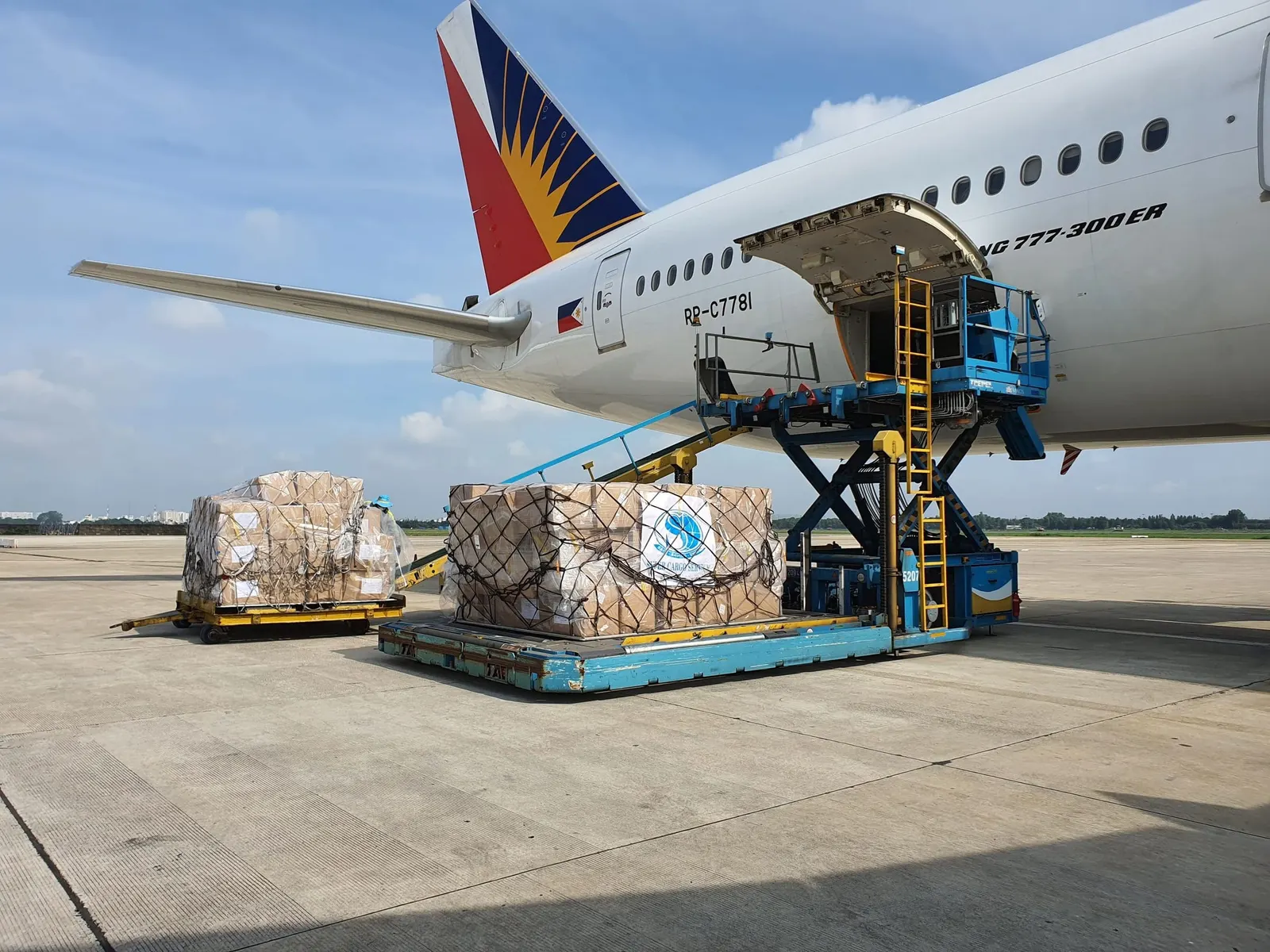
The seller delivers the goods onto the vessel at the port of loading and clears them for export. From the moment the cargo is on board, the freight and the risk are yours.
FOB is the most common term for ocean imports from Asia, and usually the best balance between control and effort.
CIF: Cost, Insurance and Freight
The seller pays for freight and minimum insurance to the destination port, but the risk passes to you when the goods are loaded at origin.
That split is the trap. If the cargo is damaged at sea, you make the claim against an insurance policy you did not choose.
DDP: Delivered Duty Paid
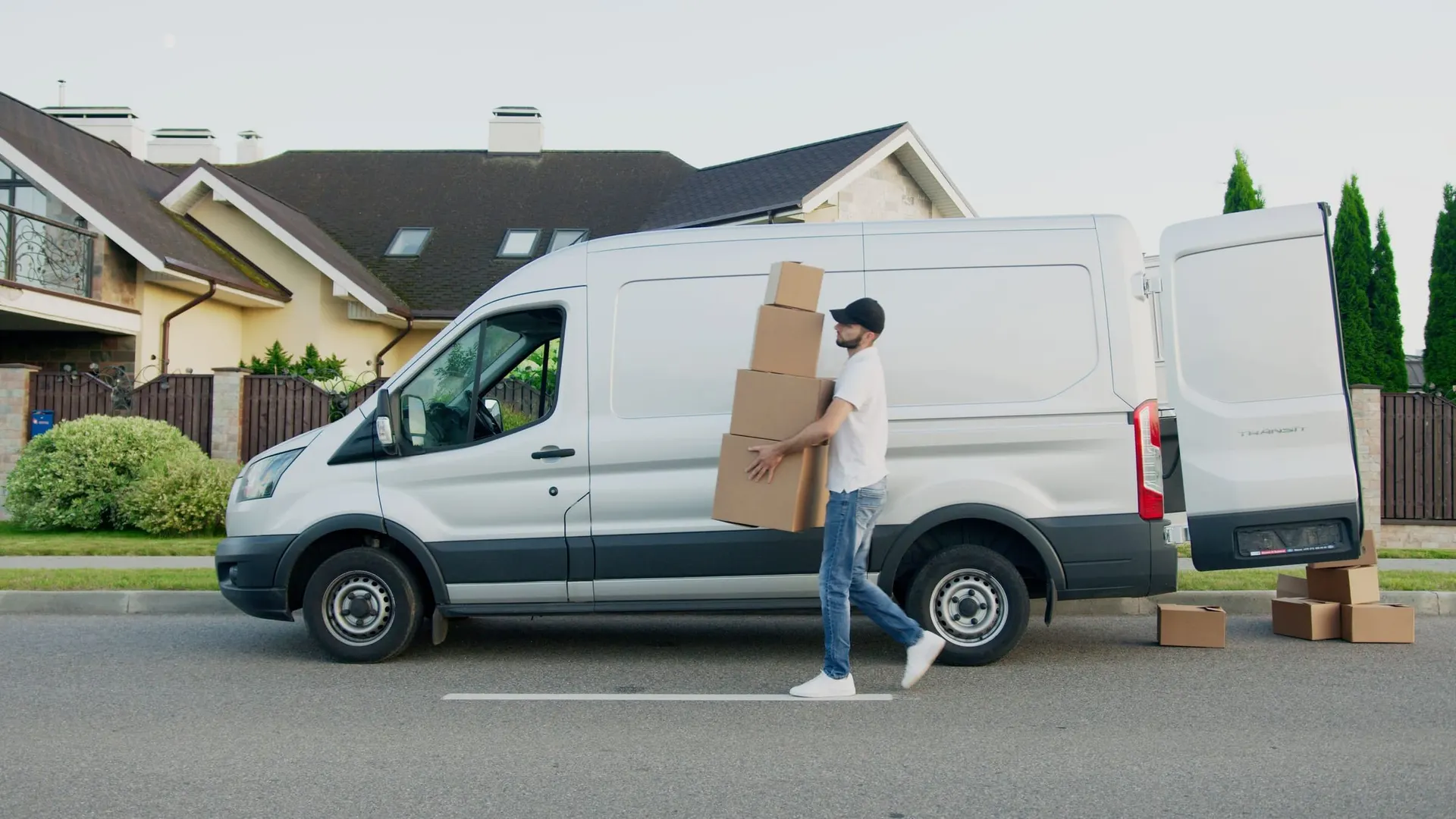
The seller delivers to your door, cleared and with duties paid. It is the simplest term for the buyer and the hardest for the seller, who must act as importer in your country.
Term | Freight booked by | Risk passes at | Import duties |
|---|---|---|---|
EXW | Buyer | Seller's premises | Buyer |
FOB | Buyer | On board at origin | Buyer |
CIF | Seller | On board at origin | Buyer |
DDP | Seller | Buyer's door | Seller |
Which should you use?
If you ship regularly, FOB with your own forwarder usually costs less and gives you the most visibility. If you ship rarely and want no paperwork, DDP is easier, but the seller's freight costs are built into the price.
Share this guide
Related services and industries