



How Fernway cut transit variance by 38% across fourteen lanes
A building-materials brand with suppliers in four countries moved from five forwarders to one, and stopped guessing when its stock would land.

Kwame Asante
Chief Commercial Officer

Jun Seo
Head of Ocean, Asia Pacific
Transit time variance
Forwarders consolidated
Less safety stock held
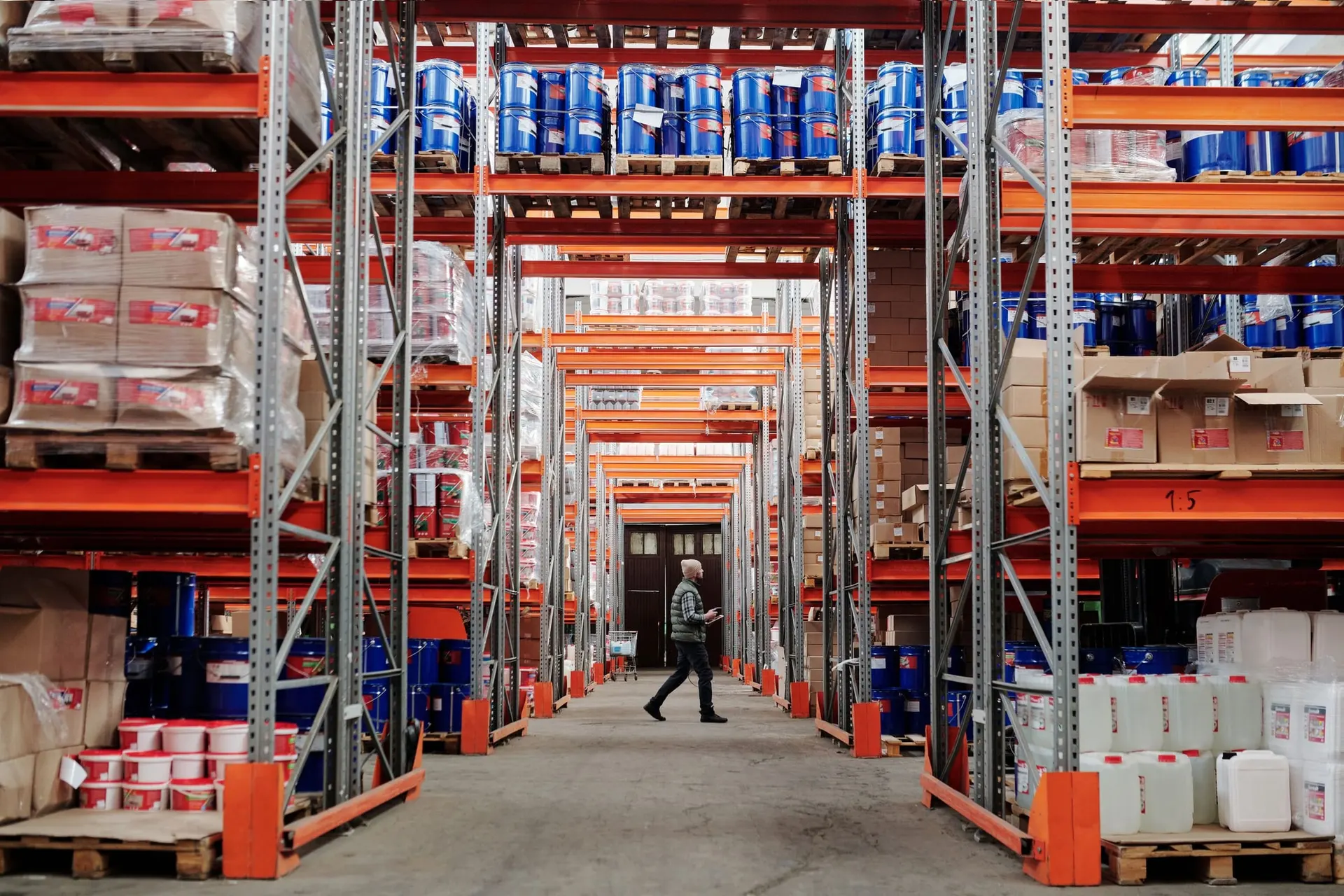
Fernway sells traceable timber products to builders and home-improvement retailers. Its suppliers are in Vietnam, Malaysia, Brazil and Portugal, and until 2024 each origin was handled by a different forwarder.
The problem
Every forwarder reported in its own format, on its own schedule. Fernway's planners spent Monday mornings copying arrival dates into a spreadsheet, and by Wednesday half of them had changed. To protect against the uncertainty, the company held around six weeks of safety stock in its two distribution centres.
The stock was not the expensive part. The expensive part was not knowing which stock we had.
What we changed
We took over all fourteen lanes in a staged move over five months, starting with the busiest route from Ho Chi Minh City.
One booking system. Every purchase order is now booked through one portal, with the same milestones on every lane.
Origin consolidation. Suppliers in Malaysia and Vietnam deliver to our Singapore and Shenzhen warehouses, where we fill containers to 92% instead of 70%.
Contracted space. Fernway's volume moved onto our fixed allocations with two carriers, which ended the rolled containers in peak season.
Customs before arrival. Entries are filed while the vessel is at sea, so containers are released on discharge.
The result
Over the first twelve months, the gap between the earliest and latest arrival on each lane fell by 38%. With a reliable arrival date, Fernway cut its safety stock from six weeks to three and a half, releasing $2.4 million of working capital.
Share this case study
Related services and industries