



Ocean freight
Ocean freight is still the cheapest way to move goods between continents, and the least predictable. Schedules slip, vessels skip ports and space disappears in the weeks before a holiday. Our job is to absorb that uncertainty before it reaches you.
We buy space from fourteen carriers on fixed allocations, so your cargo is not competing for the last slot on a full ship. Our ocean desks in Chicago, Rotterdam and Singapore watch every container from the moment it is gated in, and they call you when the plan changes, not after.
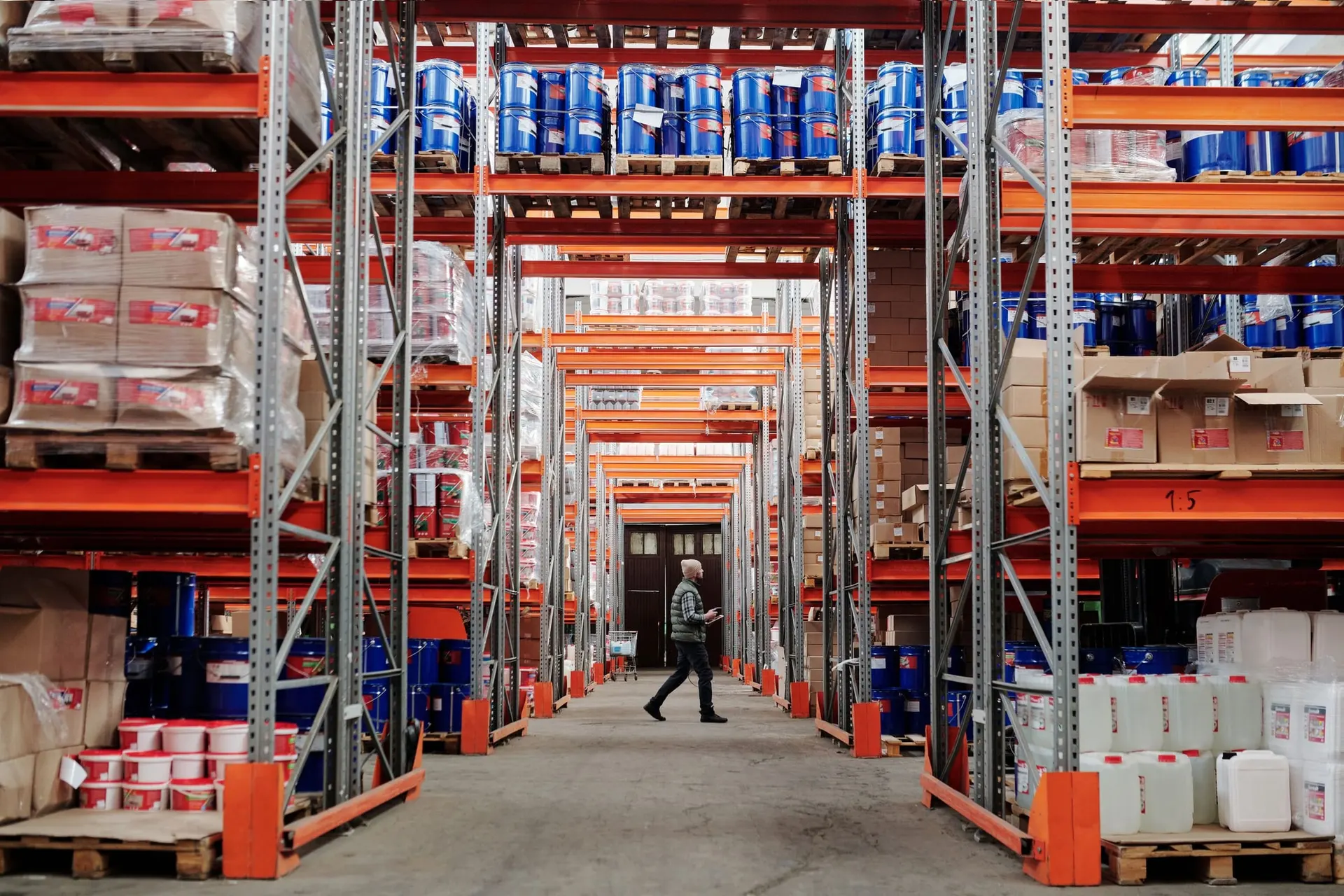
At each end we run our own warehouses and trucks. That means one booking covers collection from your supplier, consolidation, the sea leg, customs and delivery to your dock, with one price and one team.
What is included
Contracted space
Fixed allocations with fourteen ocean carriers, so your containers sail in peak season as well as the quiet months.
Origin consolidation
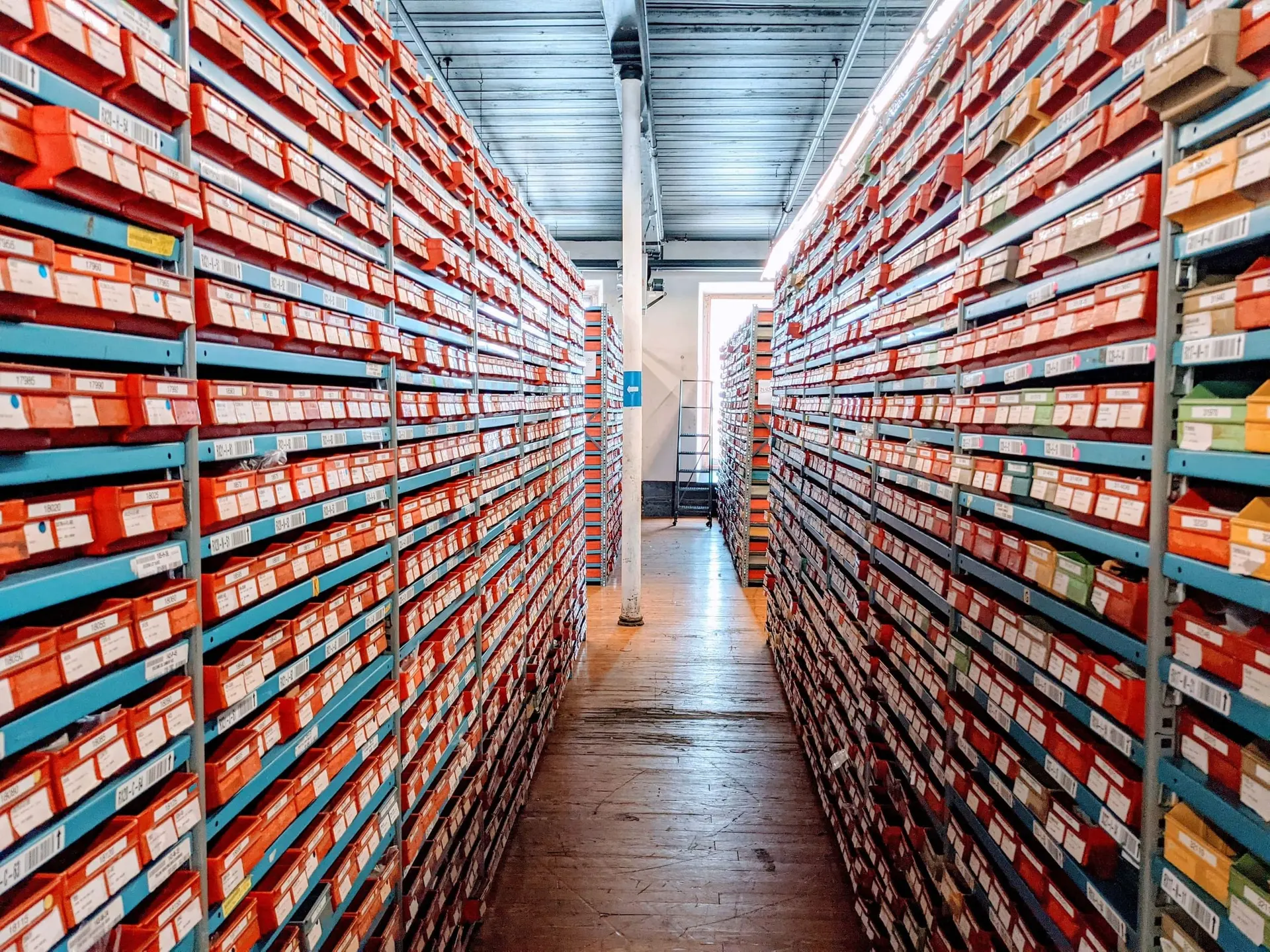
Our own CFS warehouses in Shenzhen, Singapore and Mumbai fill containers from several suppliers before they sail.
Port drayage
Haulmark trucks collect at the terminal and deliver to your dock, with chassis and free time managed for you.
Live milestones
Gate-in, loaded, departed, transhipped, arrived and available, pushed to you as each event happens.

Choose how it moves
Full container (FCL)
Shared container (LCL)
Special equipment
Full container (FCL)
- 20′
- 40′
- 40′ HC
- reefer
A container for your cargo alone. The better price per unit from around 14 cubic metres, and the least handling.
Shared container (LCL)
- From 1 CBM
Pay for the space you use. Weekly consolidation services from our origin warehouses on 40 lanes.
Special equipment
- Flat rack
- open top
- ISO tank
Out-of-gauge machinery, bulk liquids and project cargo, planned with our heavy-lift desk in Rotterdam.
Further reading

Questions about ocean freight
How long does ocean freight take?
Port to port, Shanghai to Los Angeles is around 16 days and Shanghai to Rotterdam around 32. Add three to seven days at each end for collection, customs and delivery.
When is LCL cheaper than FCL?
As a rule of thumb, below 13 to 15 cubic metres. Above that a full container usually costs less per unit and is handled less. Your quote will compare both.
What happens if my container is rolled?
We tell you the same day, rebook on the next vessel with space and show the new arrival date. On contracted lanes this is rare, and we report the rate every month.